

Most systems authenticate users at login and then allow uninterrupted access until logout or session timeout.
However, risk conditions can change after authentication due to:
- Session hijacking
- Device posture degradation
- Network or IP changes
- Privilege escalation attempts
- Suspicious or anomalous user behavior
- Token theft or replay
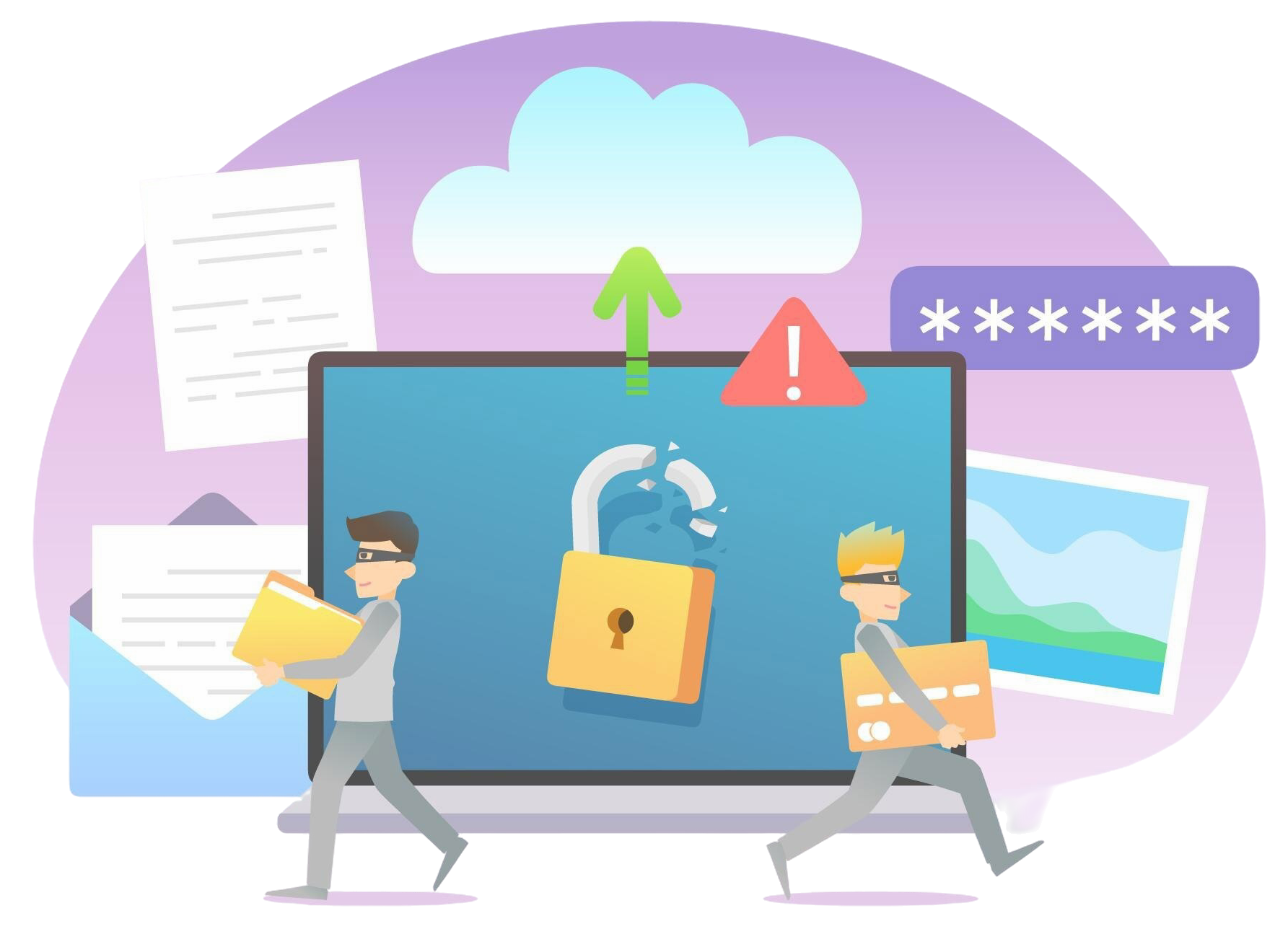
If trust is not re-evaluated continuously, attackers can exploit authenticated sessions without re-triggering login controls.
Zero Trust requires continuous verification — not one-time validation.
The Architectural Shift
Continuous Trust Validation transforms the model from:
- Authenticate
- Trust
- Allow
- Authenticate
- Evaluate
- Monitor
- Re-evaluate
- Enforce
Trust becomes dynamic rather than static.
Access decisions adjust in real time as contextual and behavioral signals evolve.

Real-Time Risk Scoring
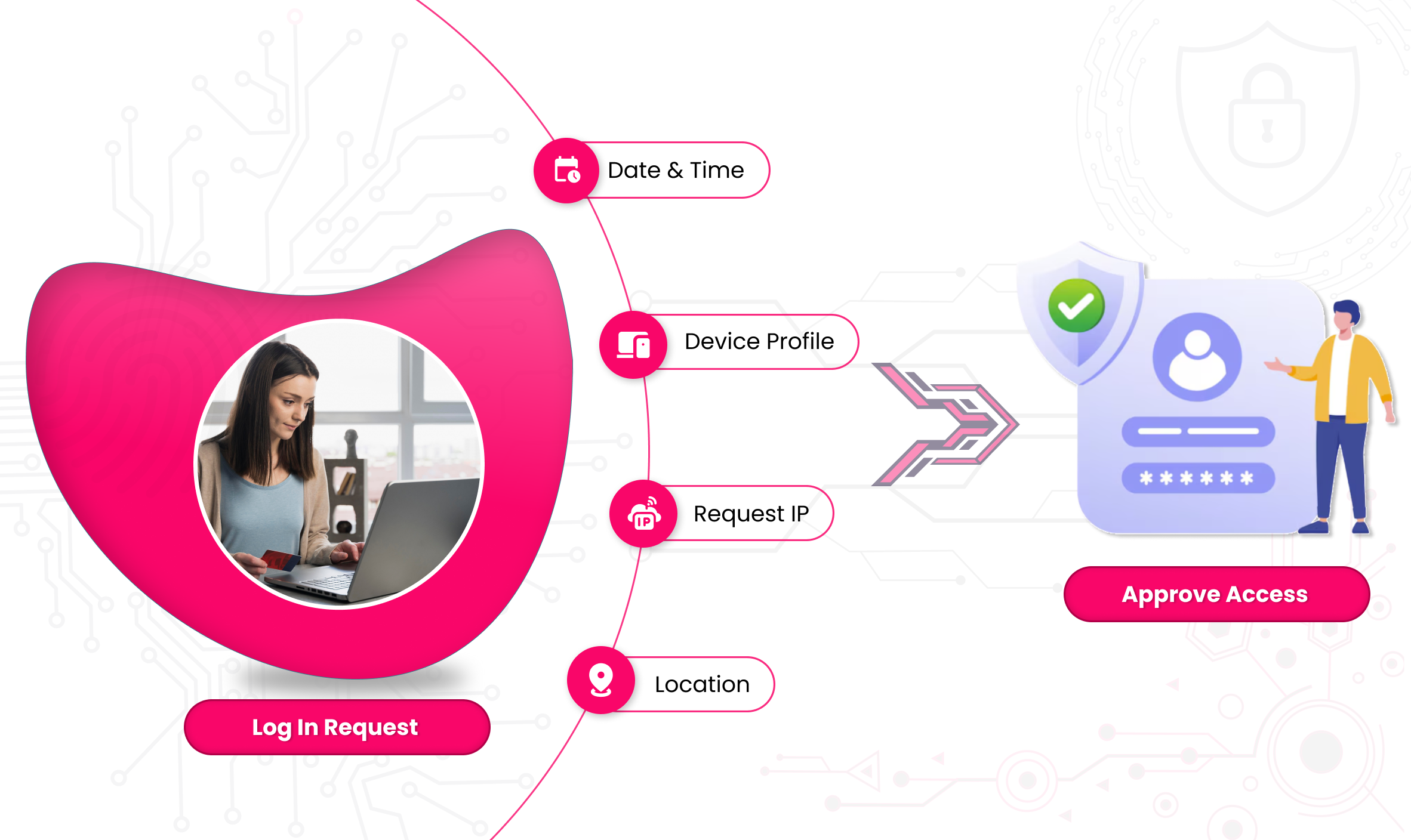
Continuously evaluates user identity, device posture, and session context signals.
Behavioral Anomaly Detection
Identifies deviations from established access and activity patterns.
Adaptive Session Enforcement
Triggers step-up authentication or access restrictions during active sessions.
Automated Session Termination
Ends sessions immediately when high-risk conditions are detected.
Context-Aware Policy Controls
Aligns enforcement decisions with organizational risk thresholds and sensitivity levels.


How It Works
- User authenticates
- Session initiates under monitored policy controls
- Behavioral and contextual signals are continuously evaluated
- Risk score updates dynamically in real time
- Policy enforcement adjusts based on evolving trust level
- Session is maintained, challenged, restricted, or terminated accordingly
Trust must be earned continuously — not granted permanently.
Architectural & Security Benefits
Continuous Trust Validation enables organizations to:
- Reduce session hijacking exposure
- Limit lateral movement across systems
- Detect insider misuse earlier
- Strengthen Zero Trust maturity
- Improve forensic visibility
- Protect high-value assets dynamically
Security posture adapts as risk conditions evolve.


Designed for Modern Identity Ecosystems
Rainbow Secure integrates with:
No disruption to user productivity — enforcement remains intelligent, contextual, and adaptive.
- Microsoft 365 & Entra
- Okta and other Identity Platforms
- Custom and legacy applications
- Google Workspace
- SaaS platforms
Move from Static Trust to Dynamic Security
Authentication is only the first checkpoint.
Continuous Trust Validation ensures that access remains protected from login to logout.
Request a Demo Speak with a Security Architect

Assume credentials will be compromised

Do not rely on user awareness alone

Do not break during peak transaction spikes

Reduce fraud losses and investigation fatigue